


Are you prepared for a medical emergency?
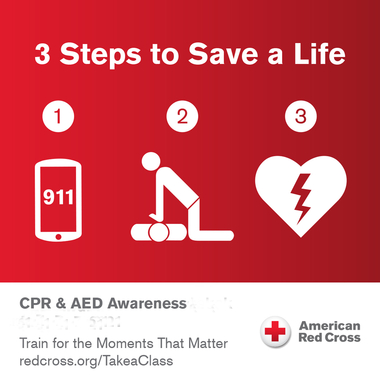
The American Red Cross urges people to learn CPR and first aid to be ready for the moments that matter.
Millions of Americans serve as caregivers, supporting both young children and aging loved ones, often simultaneously. Yet many lack critical lifesaving training, including how to respond to a cardiac arrest emergency.
Only about one-third of U.S. adults say they feel confident and ready to act if someone goes into cardiac arrest.
More than 300,000 people experience cardiac arrest outside of hospitals each year in the United States. Infants, older adults and those with chronic health conditions are among the most vulnerable. For children of all ages, more than 80 percent of these emergencies occur at home, making the home the frontline of response.
CPR and AED training isn’t just a medical skill — it’s a caregiving essential.
“Having the ability to respond to a cardiac emergency makes you a better, more confident caregiver,” said Loida Haffener Salmond, Executive Director of the Red Cross of Central and Southwest Oklahoma. “Learning first aid and CPR skills may make a lifesaving difference for your child, family member, or even a stranger.”
The American Red Cross urges people to show their loved ones how much they care by taking a Red Cross First Aid, CPR, and AED class, as well as other lifesaving skills courses. Having the knowledge and confidence to act when seconds count can triple someone’s chance of surviving cardiac arrest. Here in Central and Southwest Oklahoma, over 23,000 people were trained in lifesaving skills last year.
Be ready for the moments that matter with Red Cross lifesaving training.
For more than 100 years, the American Red Cross has been a national leader in first aid education, training more than 3 million people each year in first aid, CPR, and AED skills to help save lives in emergencies.
Further, the Red Cross was proud to be part of LGBTQ+ history as the first major blood bank in the nation to implement updated FDA guidelines that eliminated blood donation policies based on sexual orientation, allowing more healthy people to donate blood safely.
To ensure we are meeting the needs of today and evolving with the latest science, the Red Cross has recently enhanced its First Aid/CPR/AED training program to include updated infant CPR techniques and instruction on using epinephrine nasal spray, which is now an approved treatment for anaphylaxis. These updates ensure caregivers and bystanders are prepared to respond quickly and confidently in a range of life-threatening emergencies.
The training also equips participants with the knowledge and skills to better identify and respond to heart-related emergencies, including understanding the critical differences between cardiac arrest and heart attacks. It incorporates updated warning signs—highlighting how heart attacks can present differently in women—so symptoms are recognized earlier, and lifesaving action can begin sooner. Visit redcross.org/takeaclass to find a class near you.
The American Red Cross shelters, feeds and provides comfort to victims of disasters; supplies about 40% of the nation’s blood; teaches skills that save lives; distributes international humanitarian aid; and supports veterans, military members and their families. The Red Cross is a nonprofit organization that depends on volunteers and the generosity of the American public to deliver its mission. For more information, please visit redcross.org or CruzRojaAmericana.org, or follow us on social media.
The Gayly online. 3/14/2026 @ 6:41 p.m. CST.