


The affordability crisis is impacting the arts
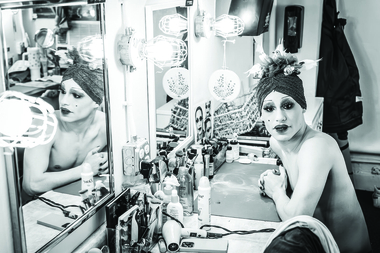
Broadway musicals are an iconic part of New York City and are beloved by locals and visitors alike. But, like any other industry, Broadway is facing the exact rising costs as businesses across the country.
Many Broadway musicals are falling flat - struggling to make a profit despite high attendance. Now, some are wondering what this means for the New York City staple.
“There’s something really special about seeing live theater that is different than everything else,” said Jason Laks, President, The Broadway League. “For over a century, Broadway has been at the heart of New York City culture. As New York City goes, so goes Broadway in many respects and vice versa.”
But the cost to launch a new Broadway musical has ballooned in recent years, with production costs for some now reaching $25 million. The 2024-2025 season was Broadway’s highest-grossing in a decade, according to data from The Broadway League.
Laks says he expects only one in 10 shows will break even.
“It’s only gotten harder since the pandemic. We are not, you know, immune from the same cost pressures that affect lots of industries.”
He credits much of that to skyrocketing production costs, while ticket prices have only risen slightly over the past 10 years. League data shows that Broadway as a whole had its highest-grossing season in a decade.
While the numbers might look good on paper, according to the New York Times, none of the new Broadway musicals that opened this season have yet turned a profit. That’s led one Broadway investor to file a lawsuit against the producers of the show he invested in, accusing them of a “deliberate scheme” to strip him and other investors of their money.
While traditional Broadway musicals are struggling to find a solution to their money problems, fan favorite shows like Phantom of the Opera are being reimagined Off Broadway and thrilling crowds with an interactive experience.
James L. Walker Jr. says he invested $50,000 in the recent revival of Cabaret, which closed early at what producers are calling a “total loss.”
“When you look at a play that’s grossing and upwards of nearly 100 million,” Walker said. “It’s hard to explain how we didn’t make our money back.”
In August, Walker filed a lawsuit against the show’s producers in the New York State Supreme Court, alleging breach of contract and what the suit calls a “deliberate scheme” to strip him and other investors of their money.
“Obviously, we want our money back, but yes, a major consideration is how do we change the overall infrastructure?”
ATG Entertainment, the defendant in the lawsuit, would not comment on active litigation but has previously denied any wrongdoing and filed a motion to dismiss the suit.
Broadway Legend Andrew Lloyd Webber helped produce Masquerade. This $25 million experience takes place in an old six-story art shop, where the audience dons masks for six, nearly simultaneous, nightly shows, thrusting them into the phantom’s world.
“We’re doing everything Broadway does except we’re even doing it more,” said Randy Weiner, Producer, Masquerade.
Weiner doesn’t plan to bring his show to Broadway, and he’s not sure if this concept is the solution to Broadway’s financial woes. But as a lifelong New Yorker, he’s sure of one thing.
“I’m not worried that Broadway won’t figure out its model because it’s an incredible New York experience. That’s something that’s not going anywhere.”
The Gayly online. 01/16/26 @ 5:48 p.m. CST.