


Fitness Tracker data may offer clues about future brain health
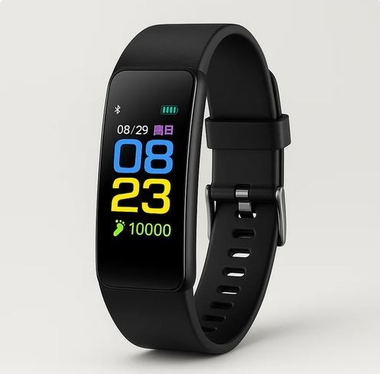
Adults who averaged fewer than 5,000 steps a day were later diagnosed with dementia, Parkinson’s disease or stroke at almost twice the rate of those averaging more than 12,000 steps, according to a new study presented at the 151st Annual Meeting of the American Neurological Association (ANA).
The study, which analyzed a year of fitness-tracker data from more than 22,000 people, suggests that long-term activity patterns tracked by these popular devices may offer clues about future brain health.
People in the least-active group were more likely to have obesity, diabetes, hypertension and depression than those in the more active groups. The findings reflect the close connection between cardiovascular health and brain health. Physical activity can help people manage their weight, blood pressure and blood sugar, factors that are also linked to stroke and cognitive decline.
“Low activity and conditions such as obesity, diabetes, high blood pressure and depression are a package deal, part of a broader health picture. Data from fitness trackers could help identify those who need earlier attention to their weight, blood sugar, blood pressure or mental health – all health concerns that we know how to address,” said Meet Popatbhai Kachhadia, MD, lead author of the study and a neurology resident at Florida Atlantic University, Charles E. Schmidt College of Medicine, Boca Raton, Fla. “The takeaway is that how much you move over a year may offer a window into your overall brain-and-body health.”
The study is likely the first to use one-year wearable data from the National Institutes of Health (NIH) All of Us Research Program, which focuses on diversity, including recruiting people who have historically been left out of medical research. Researchers used the data to determine how sustained, year-long activity patterns related to newly diagnosed dementia, Parkinson’s disease or stroke. They assessed the average daily step counts of 22,517 American adults aged 40 and older and then followed them for 5 years, identifying diagnoses of neurological disease in their electronic health records.
Participants were classified into one of three groups based on their median daily activity level – low activity (4,800 steps a day), moderate activity (around 8,300 steps a day), and high activity (roughly 12,600 steps a day). Researchers found that, unlike a single fitness tracker reading or questionnaire responses, examining physical activity patterns over an extended period can better predict who is likely to develop neurological disease.
Over an average of about five years of follow-up, 343 participants developed a new diagnosis of dementia, Parkinson’s disease, stroke or transient ischemic attack (TIA, sometimes called a mini-stroke). The rates increased as activity declined: about 3.8 neurological diagnoses for every 1,000 people followed for one year in the least-active group, compared with 2.7 in the moderately active group and 2.1 in the most-active group—about an 80% higher rate in the least-active group.
More active participants also had a lower average body mass index (BMI) and lower rates of diabetes, high blood pressure and depression. Specifically, researchers observed the following associations:
- Average BMI (from 18.5 to 24.9 is considered healthy in adults)
- The average BMI was 32.1 in the low-activity group, 28.4 in the moderate-activity group, and 26.5 in the high-activity group.
- Rate of diabetes
- Low-activity group: 5.6%; moderate-activity group: 2.5%; high-activity group: 2.0%
- Rate of high blood pressure
- Low-activity group: 13.4%; moderate-activity group: 9.5%; high-activity group: 9.2%
- Rate of depression (which researchers said was the single strongest predictor of later neurological disease, although they noted that depression can be an early symptom of dementia and Parkinson’s disease)
- Low-activity group: 8.6%; moderate-activity group: 5.1%; high-activity group: 3.1%
The activity level of each group remained remarkably consistent from the first to the last month of the study, which is why someone with a low step count pattern over 12 months should view it as a prompt to have their health checked rather than a verdict about their brain, Dr. Kachhadia said. He notes that more research is needed, including factoring in activity type and intensity.
“Everyone should develop a regular habit of physical activity, setting realistic, sustainable fitness goals to improve their health,” said Marc A. Swerdloff, MD, ABPN, FANA, co-author and clinical affiliate associate professor of neurology, Florida Atlantic University and Marcus Neuroscience Institute, Boca Raton, Florida. “For example, people averaging around 8,000 steps a day had meaningfully lower rates of neurologic disease than the least active group. That’s a realistic target, and it aligns with federal guidance of roughly 150 minutes of moderate activity per week. Nobody needs to reach 12,000.”
The American Neurologic Association for Newswise. The Gayly online. 10/27/26 @ 6:50 p.m. CST.