


Affordable housing complex for LGBTQ+ seniors to be built in San Francisco
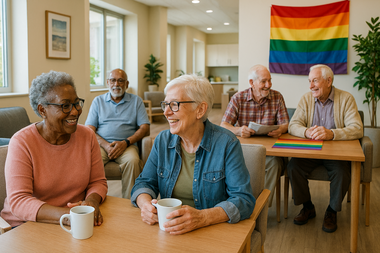
The aging LGBTQ+ population across America is increasing daily. According to the California Department of Finance, by 2030, nearly one-third of San Francisco will be populated by people 60 and older. That’s more than the state average, according to a report from ABC7 in the Bay Area.
Lyanne Melendez of ABC 7 reports that San Francisco is an aging city, and the housing shortage continues to be an issue. One group in particular faces challenges with affordable housing: the LGBTQ+ community.
But in just a few years, a drenched empty lot on Market Street will be transformed into a 15-story residential building for seniors in San Francisco.
“As folks age, incomes become restricted, the cost of living rises, and so the need for affordable housing becomes even greater,” explained Dani Soto, Deputy Director of Openhouse, a nonprofit serving LGBTQ+ seniors.
Because San Francisco looks after its LGBTQ+ people, the building will be marketed primarily to that community and to some veterans.
“For seniors age 62 plus, and the income will be restricted for very low income to extremely low income, so that means that folks can be making approximately $16,000 up to $92,000 a year,” outlined Sean Wils, Senior Project Manager of Mercy Housing.
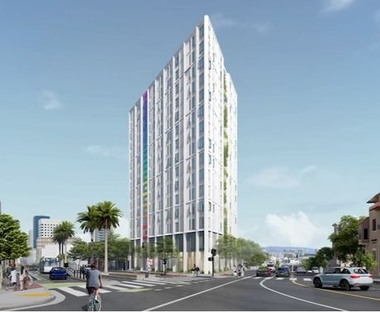
Across the street, the building at 1939 Market Street will offer services and programs run by Openhouse in San Francisco.
The architect Paulett Taggart highlighted the importance of its location.
“The building is located near a lot of the other LGBTQ facilities, including the other one run by Openhouse, which are the service providers here just up Laguna Street,” said Taggart.
When completed, it will be part of a mini campus with three residential buildings and several locations to support that community.
“We will be creating a corridor so that all of our folks have access to all of the programming spaces across all of our buildings,” added Soto.
According to one of the architects, the new building was designed with open spaces in mind to invite seniors to engage with one another.
“Seniors have an increased sense of isolation, especially if they are no longer working, they have family and friends who are starting to pass away, and so intentionally designing spaces that can help them make connections with their neighbors,” said Roselie Enriquez Ledda.
Julie Strobel works with LGBTQ+ seniors at OpenHouse.
“One of the things that we really work against is the prevention of isolation that we have or that we experience in our community. We also have support groups: a men’s support group and a women’s support group. We have groups for long-term survivors of HIV,” said Strobel, who is a volunteer engagement specialist.
The design features rainbow colors on both sides of the building; it’s what the community wanted to broadcast to the rest of the city: “We are here.”
For more on this story, visit ABC News 7 in the Bay Area.
The Gayly online. 01/03/26 @ 10:59 a.m. CST.