


Cuts in healthcare will backfire
- by Bill Schmick
The Retired Investor
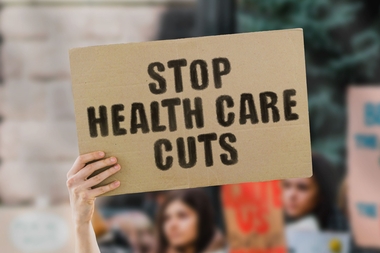
In an effort to reduce the rising cost of our nation’s healthcare, Congress and the administration have cut or reduced benefits across program after program over the last year. The question they fail to answer is important. If health benefits are reduced, who ends up paying for all those who cannot afford it? The short answer is we, the taxpayers, do.
The relentless government cuts continue. In the last two weeks alone, the administration ended subsidies for Medicare drug premiums, which could impact millions of older Americans next year. At the same time, the president insisted that RFK Jr. reduce vaccinations, based on an unfounded Autism link, even while U.S. cases of measles hit highs not seen since 1991.
Those are just two examples of a poorly understood effort to rein in burgeoning health care costs while expanding spending in other areas, like the proposed $1.5 trillion defense budget for 2027. Earlier this year, the Congressional Budget Office, which is Congress’s official nonpartisan economic and budget agency, forecast a dramatic reduction in health care coverage not only this year but also out to 2030.
Readers might recall the change in the Affordable Care Act (ACA) rules, passed by the Republican-controlled Congress at the urging of President Trump. As part of the law H.R. 1, enhanced premium tax credits for coverage were reduced substantially. Depending on how much the insured earned, Obamacare premiums could have doubled. As a result, more than 3 million fewer people (13%) signed up for health plans.
For those who faced these sudden charges, there was nothing beautiful about the One Big Beautiful Bill Act. Since then, there has been a concerted effort to cut government spending further, leaving the states to pick up the slack. Between 2025 and the end of the Trump presidency, the number of people with ACA premium tax credits will fall from 20.9 million to 9.7 million (a 54% drop). If Congress and the White House continue along this path, the CBO projects that ACA health coverage options will drop by 44% between now and 2032.
To the uninitiated, this might sound like a great way to reduce government spending, which could be used elsewhere to reduce the deficit, for example. I only wish that were true. A look at what happens to those with no health insurance might change that view.
Let’s say Joey, with a family of four, caught a steel splinter in his eye because of a part-time work accident. He has no insurance because he can’t afford it. Joey uses eyewash, compresses, and whatever else he can muster, but the condition gets worse over the next few weeks. When it goes so bad that he misses work, he goes to the emergency room at the urging of his pregnant wife. By then, what could have been a simple procedure now requires major surgery to save the eye. The hospital bill is more than he makes all year. What happens?
A recent New York Times article, “Uninsured Patients Rise Sharply, Hospitals Report, Citing Obamacare Cuts,” explains it all. The gist of the article is that more uninsured patients are presenting at hospitals and clinics nationwide. This is costing hospitals hundreds of millions of dollars. Any guess what the hospitals will do to avoid going bankrupt—raise prices.
I don’t have to tell you that companies and individuals with healthcare insurance are already facing rising healthcare costs on what seems like a daily basis. What will Joey’s dilemma mean to you and/or your company? You will be footing the bill for Joey’s eye operation. Now, imagine the cost of another 30 million adults and children in this country who are uninsured. Those who will delay and delay until minor health issues become major and major issues become deadly.
Next week, I will tabulate the costs to taxpayers from the uninsured, as well as those who will be most impacted. To make matters worse, further reductions are right around the corner that will push even more Americans into the uninsured minefield.
The Gayly online. 8/13/26 @ 6:41 p.m. CST.