


Why should you get a flu shot?
- by Revan Health & Revan Rx
Seasonal influenza activity is currently low, but CDC surveillance shows that several indicators have been increasing since late August and early September. These include positive influenza tests, outpatient visits for influenza-like illness, emergency department visits, and influenza-related hospitalizations.
Every flu season is different. Some seasons begin earlier and others later. Although early-season activity is higher than is typically seen at this time of year, it remains within expected seasonal variation. Flu activity is currently highest on the West Coast, but respiratory viruses can spread quickly as people travel. Vaccination remains one of the best ways to reduce the risk of serious illness.
Annual Flu Vaccination: Everyone age 6 months and older should receive a flu vaccine every year, with rare exceptions. Flu viruses change over time, and the vaccine is updated each season to provide the best available protection.
For most people, September or October is the ideal time to receive a flu vaccine. However, vaccination later in the season is still worthwhile, especially while flu viruses are circulating. When possible, it is best to be vaccinated by the end of October, but it is never too late to gain protection during flu season.
Adults age 65 and older should receive one flu vaccine each year. High-dose, adjuvanted, or recombinant flu vaccines are generally preferred for this age group because they may provide a stronger immune response. These options are annual vaccines, not booster doses.
Updated COVID-19 Vaccination: COVID-19 continues to cause severe illness, hospitalization, and death, particularly among older adults, people with weakened immune systems, and those with certain underlying health conditions. Updated COVID-19 vaccines are designed to protect against currently circulating strains and reduce the risk of severe disease.
CDC recommendations for COVID-19 vaccination may differ by age, vaccination history, and immune status. Adults age 65 and older and people who are moderately or severely immunocompromised may be eligible for additional COVID-19 vaccine doses. Ask a pharmacist or health care professional which schedule is appropriate for you.
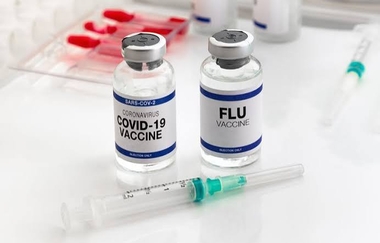
Flu and COVID-19 vaccines can generally be given during the same visit. Getting both vaccines can reduce the risk of serious illness from either virus and make it easier to stay current with recommended vaccinations.
Protecting Those Around Us: Vaccination provides individual protection, but it also helps protect the community. When more people are protected against infectious diseases, viruses have fewer opportunities to spread from person to person. This can be especially important for newborns, older adults, people with weakened immune systems, and others who may be at higher risk of complications.
If You Become Ill: Influenza viruses are among several viruses that can cause respiratory illness during the fall and winter, along with COVID-19 and respiratory syncytial virus (RSV). Symptoms can overlap, so testing may be helpful when recommended.
Prescription antiviral medications are available to treat influenza. They work best when started as early as possible, particularly for people at higher risk of flu-related complications. People who develop flu-like symptoms—especially those age 65 or older, pregnant individuals, young children, or people with chronic medical conditions or weakened immune systems—should contact their health care team promptly to discuss testing and treatment options.
The CDC updates information about flu, COVID-19, and RSV activity each week. Staying up to date on recommended vaccinations remains an important step in protecting yourself, your family, and your community.
For all your vaccination needs and more, call Revan Health at (405) 896-7978 or (888) 773-8267, or visit www.revanhealth.com.

The Gayly online. 11/07/2 @ 6:59 p.m. CST.