


Breast cancer ‘previvor’ shares her journey
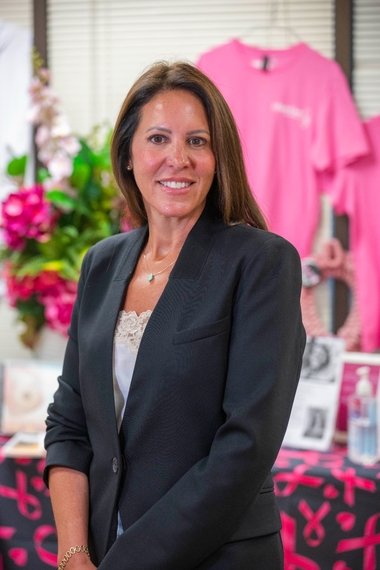
Lisa Craven says opting for a preventative double mastectomy following genetic testing that showed she was at an extremely high risk of getting breast cancer was the best decision she could have made.
For the 51-year-old full-time working mother of an 11-year-old daughter and 20-year-old stepson, the constant fear of knowing it was not a matter of if, but when, she would get breast cancer is gone. And it is why she chose to share her story to advocate for women to ask their doctors if genetic testing is right for them.
Her story began when she asked her gynecologist about treating her perimenopausal symptoms with hormone replacement therapy (HRT). Because some forms of HRT can be associated with a slightly increased risk of breast cancer, her doctor recommended she first have genetic testing done to determine if she was already at an elevated risk.

“The panel of high-risk breast cancer genetic testing checks for inherited gene changes like BRCA1, BRCA2, and PALB2 that raise the chance of getting cancer,” said Lisa’s breast surgeon, Dr. Manpreet Kohli. This RWJBarnabas Health Medical Group physician serves as Director of Breast Surgery at Monmouth Medical Center. “Following the recommendation of her doctor, she took advantage of our High Risk Breast Cancer Assessment Program to take proactive steps to reduce her risk of getting breast cancer.”
In her case, the testing revealed she was at a greater than 40 percent risk of developing breast cancer. Lisa Soberg, MSN, FNP‑BC, an Advanced Practice Nurse with Monmouth Medical Center’s High Risk Breast Cancer Assessment Program, said once a woman like Lisa is deemed to have a lifetime risk of 20 percent or higher for the development of breast cancer, she then undergoes consultation with a breast specialist such as Dr. Kohli within the high-risk breast program.
“When I got the test results, I called a family friend who is a retired surgeon, and he told me that Dr. Kohli is the best of the best,” Craven said. “I really loved her bedside manner; she did loads of testing and then explained the three options I had to lower my risk.”
These options included twice-a-year surveillance imaging, including MRI with contrast; chemoprevention with tamoxifen, which can significantly reduce the risk of breast cancer but also increase the potential for blood clots, stroke, and endometrial hyperplasia; or prophylactic double mastectomy. In consultation with Dr. Kohli, she opted for the third option and underwent a preventive double mastectomy in April.
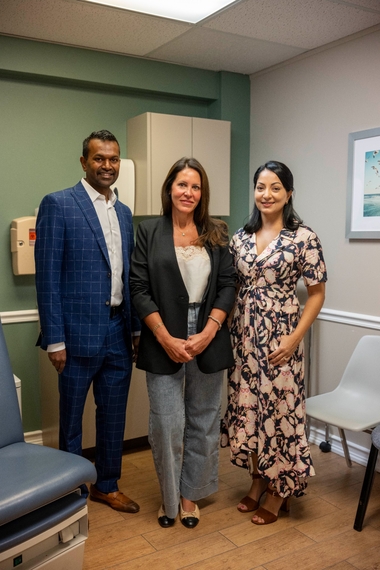
“The surgery went really well, and I was able to bounce back very quickly,” she said, adding that she went into the surgery with a very positive attitude. “I felt safe and cared for by Dr. Kohli and at the Jacqueline Wilentz Breast Center.”
For Craven, who underwent the first of her breast reconstruction procedures performed by plastic and reconstructive surgeon Rahul Vemula, M.D., in June, advocating for awareness of genetic counseling is her way to give back.
“The irony of my timeline as a high-risk breast surgery patient is that just before my mastectomy in March I lost a good friend to breast cancer,” she said. “I found myself with feelings of survivor’s guilt as I would see women at my appointments who were in active treatment for breast cancer, so I have become passionate about sharing the message that women can empower themselves with the knowledge they are doing all they can to stay healthy.”
According to Soberg, patients are often referred to the high-risk breast program by their primary care physicians, gynecologists, radiologists from breast imaging facilities, genetic counselors, or first-degree relatives who have been diagnosed with breast cancer. Under the Affordable Care Act (ACA) and many state laws, most private insurance plans, Medicaid, and Medicare cover both breast imaging surveillance and preventive medications for women determined to be high risk for the development of breast cancer.
“Our comprehensive High Risk Breast Cancer Assessment Program offers an individualized approach to care, with risk-reduction counseling also a cornerstone of the program,” she said. “We take a multidisciplinary approach by coordinating care with high-risk nurse practitioners, breast surgeons, breast radiologists, medical oncologists, genetic counselors, gynecologic oncologists, and plastic surgeons.”
By Rutgers Cancer Institute for Newswise. 10/29/26 @ 5:32 p.m. CST.