


The pharmacist talks about HIV and more
- By Revan Health & Revan Rx
How we talk about our sexual, physical, and mental health is important because honest conversations lead to healthier, happier communities. No matter one’s HIV status or how we identify or live, everyone should be supported with love and compassion.
The first step to stopping HIV is talking openly about it—how to get tested, how to prevent it, how to get in and stay in care, and how to address HIV stigma head-on.
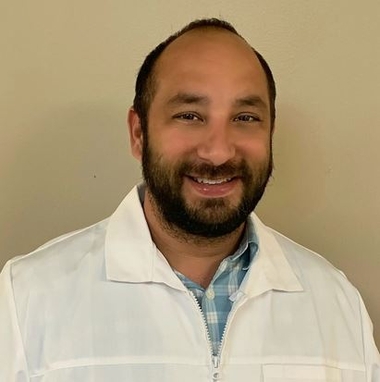
We spoke with Dr. Jason Revel, Pharm. D., Founder and Director of Pharmacy Services at Revan Health and Revan Rx. Revel works daily with people living with HIV, and he answered some very important questions about HIV testing, other STI’s, PrEP and more.
Q: How often should a person be tested for STI’s?
Dr. Revel: There isn’t one schedule that fits everyone. For many sexually active people, annual screening is appropriate when indicated. If someone has multiple or new partners, is taking PrEP, has had a recent STI, or has other ongoing risks, testing every 3–6 months may be appropriate. Testing should also be done whenever symptoms occur or after a concerning exposure. Importantly, testing should match the sites of exposure—sometimes that means urine or vaginal testing plus throat or rectal swabs.
Q: What is the best kind of HIV testing, and how long does it take to get the results?
Dr. Revel: For routine screening, a laboratory-based fourth-generation HIV antigen/antibody blood test is generally preferred because it detects both HIV antibodies and the p24 antigen, enabling earlier detection than an antibody-only test. Laboratory results are often available within a few days, depending on the facility. Rapid tests can provide results in about 20–30 minutes, though reactive screening results require confirmatory testing. If a very recent infection is suspected, an HIV RNA test may be needed because it can identify infection before standard screening tests become positive.
Q: What is considered high risk for STI’s?
Dr. Revel: Rather than labeling a person “high risk,” I focus on exposures. Risk increases with new or multiple partners, inconsistent condom use, a recent STI, a partner with an STI, partners whose STI/HIV status is unknown, or sharing injection equipment. The type of sexual contact matters as well. This is why a good sexual history is more useful than simply asking someone whether they consider themselves at high risk.
Q: Who is a good candidate for PrEP therapy?
Dr. Revel: PrEP is for people who do not have HIV and want additional protection against acquiring it. That includes people with sexual or injection-related HIV exposure risks—for example, someone with a partner with HIV who is not durably virally suppressed, condomless sex where HIV exposure is possible, a recent bacterial STI, multiple partners where HIV status may be unknown, or sharing injection equipment. PrEP should also be discussed with people who request it even if they do not disclose specific risk factors. When taken as prescribed, PrEP is highly effective at preventing HIV.
Q: What are the side effects of PrEP meds?
It depends on which PrEP option is used. Most people tolerate PrEP very well. Oral PrEP can cause temporary nausea, diarrhea, headache, or stomach upset. Some tenofovir-containing options can affect kidney function or bone mineral density, which is why appropriate laboratory monitoring is performed. Long-acting injectable PrEP commonly causes injection-site reactions. The best option depends on the individual’s health, preferences, sexual exposures, and ability to take medication consistently.
Q: What if I become positive: Where do I go for treatment?
Dr. Revel: A positive screening test must first be confirmed. Once HIV is diagnosed, the person should be connected promptly with an HIV treatment program, infectious disease/HIV specialist, or a primary care clinician experienced in HIV treatment. Many communities also have dedicated HIV clinics and health departments that can help people access medication, insurance assistance, and other services. Treatment today is extremely effective, and antiretroviral therapy should be started promptly after diagnosis. A good referral source is the Academy of HIV Medicine, which certifies practitioners in the treatment and prevention of HIV.
Q: What does “viral load” mean?
Viral load is the amount of HIV genetic material measured in a person’s blood, usually reported as copies of HIV RNA per milliliter. We use it to determine how actively the virus is reproducing and, most importantly, how well HIV treatment is working. Effective treatment dramatically reduces viral load.
Q: What does it mean to be “undetectable?”
Undetectable means HIV treatment has lowered the amount of virus in the blood below the level that a standard laboratory assay can reliably detect. It does not mean HIV has been cured or eliminated from the body. The important message is U=U: Undetectable = Untransmittable. A person who takes HIV treatment and maintains a viral load below 200 copies/mL does not sexually transmit HIV. They still need to continue their HIV medication to maintain that protection.
Revel is also a certified HIV Pharmacist with the American Academy of HIV Medicine. To make an appointment at Revan Health or to get tested, call (405) 896-7978 or (888) 773-8267.
Sources available upon request.
The Gayly online. 8/18/26 @ 6:06 p.m. CST.