


Summer tips for pet owners
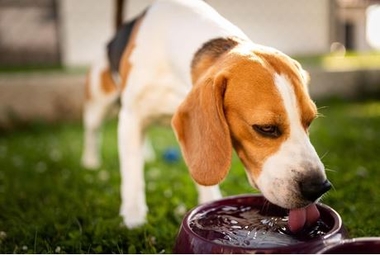
Simple steps to help keep your animals safe, healthy, and comfortable in hot weather
As temperatures rise, pets are at greater risk for heat-related illness, dehydration, and injury. Emergency and critical care specialists Elizabeth Rozanski, professor at Cummings School of Veterinary Medicine at Tufts University, and Noa Berlin, assistant professor in the Department of Small Animal Clinical Sciences, have put together a list of their top tips for a safe, fun season with your pet.
Never leave pets unattended in cars. Bottom line: it can be fatal. Temperatures rise quickly in cars, and the heat can do significant damage to a dog’s internal organs. Take pets inside or leave them at home. Even with the windows cracked, temperatures inside a car can climb rapidly.
Limit exercise during peak heat. Providing plenty of opportunities to rest, hydrate, and cool down is key. Walk dogs in the early morning or evening hours when temperatures are cooler. Avoid strenuous activity on hot, humid days, especially for senior pets, puppies, and brachycephalic (short-nosed) breeds.
“Dogs use their airways to cool down through panting,” said Berlin. “Brachycephalic dogs —bulldogs, Boston terriers, pugs, etc. — have trouble cooling down by panting due to the structure of their airways, which makes them more prone to heat stroke, as well as to having a breathing crisis and even a full airway obstruction from excessive panting. These dogs should not exercise on hot and humid days and should have frequent breaks to cool off and rest in the summer.”
Check the pavement before walking. “When it’s 80 degrees out, the pavement can be over 120 degrees, which can cause serious burns to dogs’ paw pads within a few minutes,” said Berlin. “A good rule: if you can’t comfortably hold your hand on the surface for 5–7 seconds, it’s too hot for your pet.”
Provide constant access to fresh water. Hydration is critical. Ensure pets have clean, cool water available at all times—both indoors and outside.
Offer shade and protection from the sun. Outdoor pets need access to shaded areas throughout the day. Prolonged sun exposure can cause overheating and sunburn.
Watch for signs of heat stress/stroke. Early signs may include lethargy, heavy panting, bright red gums and tongue, rapid breathing, drooling, vomiting, and diarrhea. Advanced stages of life-threatening heat stroke can result in collapse, labored breathing, white or blue gums, and shock. If you notice these signs, move your pet to a cooler area and contact a veterinarian immediately.
Give a cold-water bath or apply wet towels to a dog experiencing heat stress. When a dog’s body temperature escalates to a dangerous level, organ systems can be severely damaged. Every minute at these high body temperatures worsens the damage, so quickly cool them off while heading to a veterinarian.
Use caution around bodies of water. Not all dogs are strong swimmers. Supervise pets around pools, lakes, and oceans, and consider pet-safe life jackets. Don’t forget to rinse the chlorine or salt water out of their fur after a dip.
Protect against seasonal pests. Warm weather increases exposure to fleas, ticks, and mosquitoes, which can carry infectious diseases harmful to your pet. Talk to your veterinarian about appropriate preventive medications for your pet. Schedule routine check-ups and ensure vaccinations are up to date.
Be mindful of summer hazards. Common seasonal risks include grills, fireworks, toxic plants, and foods. Keep pets away from open flames, unfamiliar objects, and potentially dangerous human foods.
Backyard barbecues are a fun way to beat the heat, but typical fare can pose health hazards. Bones, corn cobs, or sticks/skewers on which meat or other foods are grilled could cause blockages or gastrointestinal perforations if eaten by your pet. Fatty foods should also be avoided as they can cause gastrointestinal upset in dogs.
“Use caution at cookouts as dogs can eat things that don’t agree with them or can cause injury,” said Rozanski.
Lawn and garden insecticides and mouse and rat baits can be harmful to cats and dogs if ingested, so keep them out of reach as well.
As you head out with your pet for some summer fun, keep emergency supplies on hand. Even for a day trip, pack extra water, blankets, bandages, and gauze, so in the event a pet becomes sick or injured, you can administer initial first aid on the way to the veterinarian.
Keep pet identification up to date. More time outdoors can mean more opportunities for pets to get lost. Ensure collars, tags, and microchip information are up to date.
By Tufts University for Newswise via The Gayly online. 7/3/26 @ 5:28 p.m. CST.